Sinta MK

With a prominent background as a visual artist, Sinta also finds storytelling to be one of her natural flairs. As an aspiring art director, she hopes to be a small agent of change for the Islamic community through her art.

Christine Daaé is the Real Hero of The Phantom of the Opera

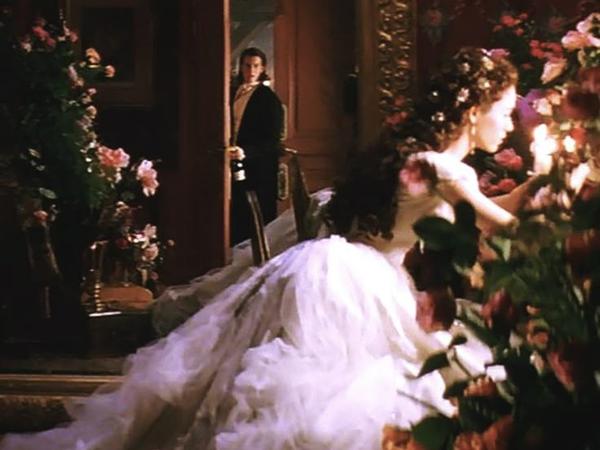
The damsel in distress doesn’t really need to be saved after all; she ends up saving others. And the most controversial thing? She saves her abuser from darkness. Maybe, if Erik had already lost his whole humanity, she ought to prepare for the worst. Christine’s heroism isn’t idealistic; it has never been her responsibility to heal the wounds of her men. A blind self-sacrifice in the name of love isn’t proof of a woman’s worth. And, even though Christine never begged for Erik’s validation, her kindness, which is supposed to be her strength, becomes a double-edged sword. Even so, Christine continues to present her warmth amidst despair. Not because Erik demands it; she does it willingly. She chooses love, unaware that it will shatter Erik's defense.
Illusion of the Villain Archetype in Rebbeca

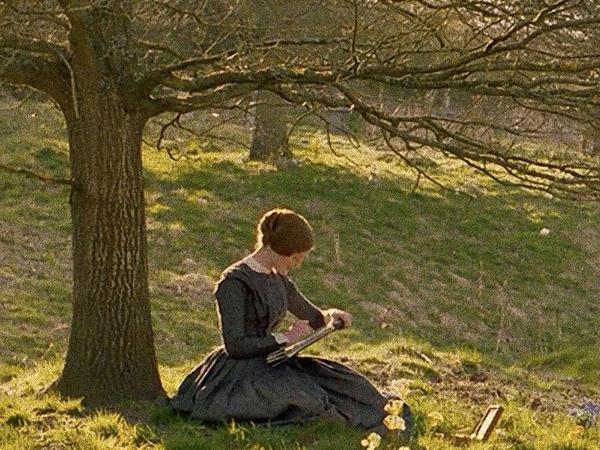
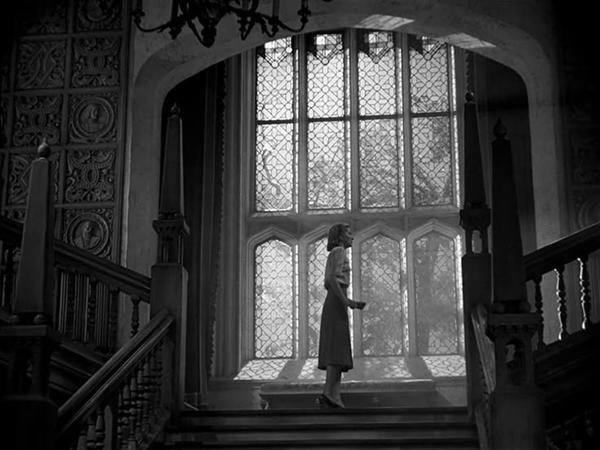
Like Jane Eyre, Rebecca alludes to the derogatory term about mad women. The label "crazy" is often attached to women due to a misconception that they are more spontaneous. This stereotype also exposes a hypocrisy where women are liable to more scrutiny than their male peers. Rebecca’s adultery and manipulation are enough to deem her a mad villain, yet Maxim’s crime goes unpunished, even protected. He manipulates the tragedy to justify his killing, believing himself to be the true victim.

Contact Me

My inbox is always open, you can contact me with the contact form here